


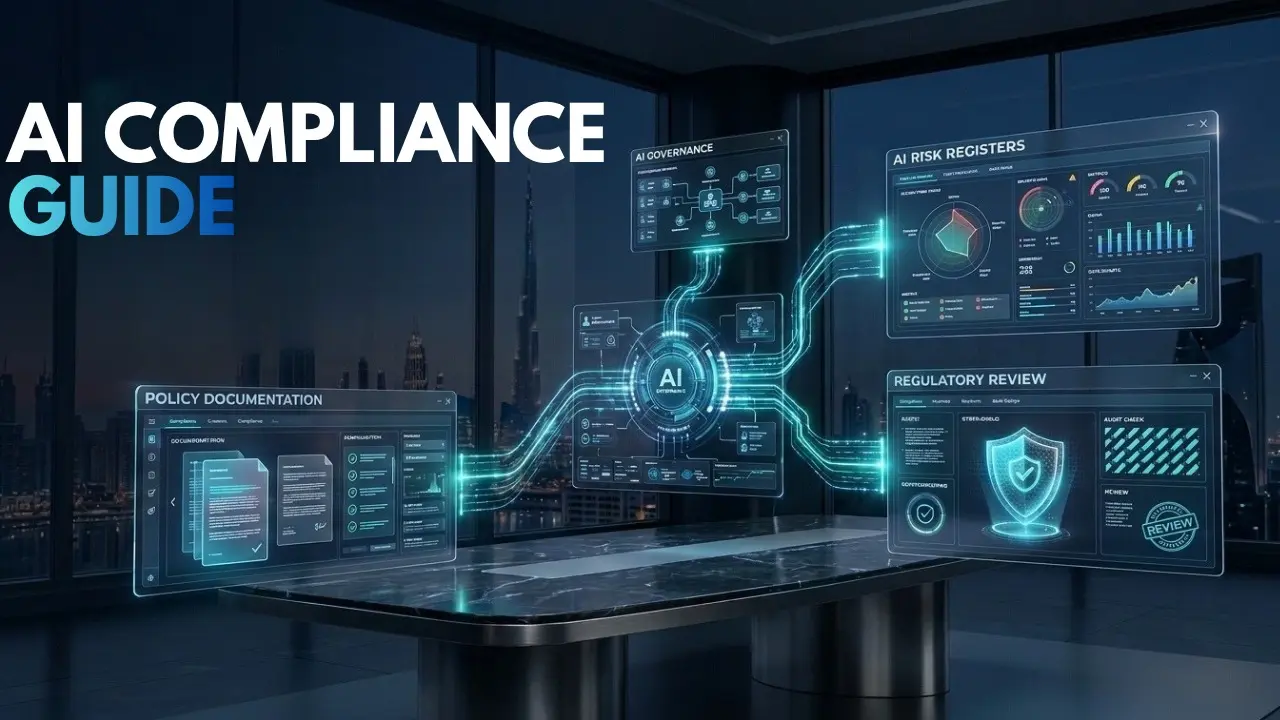
Are you looking for a practical guide to AI compliance and the requirements your business should consider before adopting artificial intelligence? Understanding AI regulations data protection and security risks can help your organisation use AI responsibly while protecting business information and customer trust.
AI compliance means ensuring that artificial intelligence systems follow applicable laws, regulatory requirements and organisational policies. Businesses should assess relevant AI policies, data protection laws, cybersecurity requirements and industry-specific obligations.
In this guide, you will learn about key AI compliance considerations, governance frameworks, risk assessments and practical steps to support responsible AI adoption.
What Is AI Compliance?
AI compliance is the process of ensuring that AI systems are developed, deployed and monitored in accordance with applicable requirements and organisational standards. It covers the entire AI lifecycle, including data collection, model development, testing, deployment and ongoing monitoring. For businesses, compliance also involves understanding how AI systems affect customers, employees, business operations and decision-making.
Why Is AI Compliance Important for Businesses in the UAE?
AI is becoming an important part of business operations, from customer service and document processing to predictive analytics and autonomous agents. However, adopting AI without appropriate controls can introduce privacy, cybersecurity and operational risks. An effective AI compliance strategy helps businesses identify these risks before they become serious problems.
Key benefits include:
- Protecting personal and confidential business data.
- Improving accountability for AI-driven decisions.
- Identifying security weaknesses before deployment.
- Establishing consistent AI governance practices.
- Supporting regulatory readiness and internal audits.
- Building trust with customers and business partners.
Compliance should support innovation rather than prevent businesses from using AI. The objective is to introduce appropriate safeguards based on the system's purpose and potential impact.
What Are the Key AI Compliance Requirements?
The UAE's AI compliance landscape includes government policies, existing legislation and sector-specific requirements. Businesses should determine which obligations apply to their activities instead of assuming that every organisation follows the same rules.
1. Understand Relevant AI Regulations
Start by recognizing the lawful and regulatory needs relevant to your business.
Important areas to review include:
- UAE Personal Data Protection Law (PDPL): Relevant to personal data processing within its scope, subject to applicable exclusions and other legal considerations.
- UAE Charter for the Development and Use of Artificial Intelligence: Provides principles relating to responsible AI, privacy, transparency and human oversight.
- National Cyber Security Policy for Artificial Intelligence: Addresses AI security, governance, infrastructure protection, operational safety and threat monitoring.
- Sector-specific requirements: Financial services, healthcare and other regulated industries may have additional obligations.
- Free-zone regulations: Businesses operating in financial free zones should assess the relevant legal and regulatory framework.
These instruments differ in their legal status and scope. A policy or charter should not automatically be treated as a binding law.
Businesses should review their activities and seek qualified legal advice when the application of a requirement is unclear.
2. Establish an AI Governance Framework
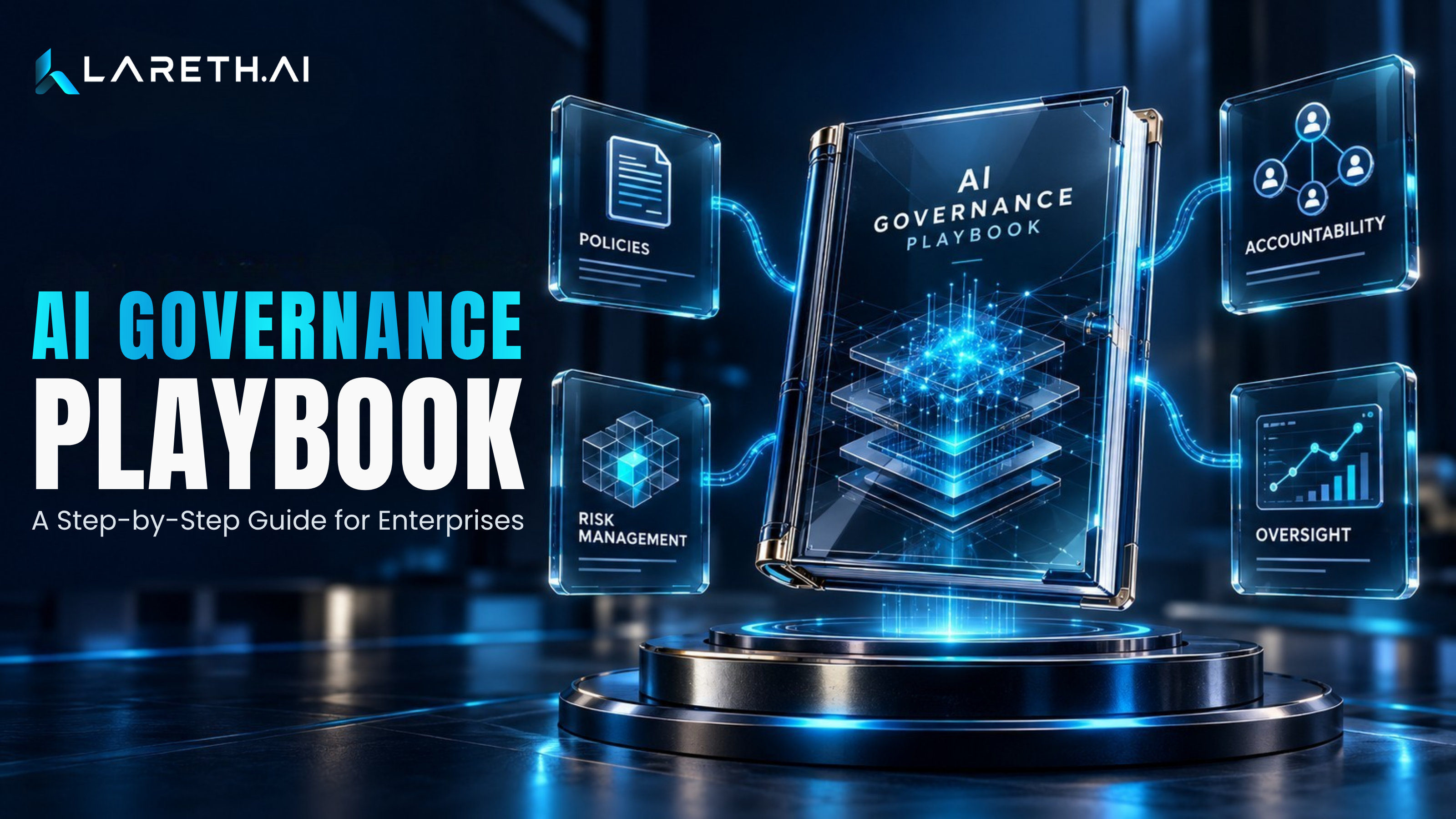
An AI governance framework defines how an organisation approves, manages and monitors AI systems. Without clear governance, employees may introduce AI tools without appropriate approval, security reviews or risk assessments.
A practical framework should define:
- Who owns and approves each AI use case.
- Which AI systems require additional review.
- How risks are assessed and documented.
- Who is responsible for monitoring performance.
- How incidents and compliance concerns are escalated.
Senior management should provide oversight, while technical, legal, compliance and cybersecurity teams manage their respective responsibilities.
3. Protect Data Privacy and Confidential Information
AI systems may process customer information, employee records, financial documents and confidential business data. Businesses should understand what information enters an AI system, where it is processed and how the provider handles it.
Recommended measures include restricting access to sensitive information, reviewing data retention practices and checking whether providers use submitted data for model training.
Organisations should also assess relevant consent, lawful processing, security and international data transfer requirements. These controls help reduce the risk of exposing sensitive information through AI tools.
4. Conduct AI Risk Assessments
An AI risk assessment identifies potential problems before a system is deployed. Risks may include inaccurate outputs, biased recommendations, data leakage, unauthorised access and harmful automated decisions.
A structured assessment should consider:
- The purpose and intended users of the system.
- The sensitivity of the information processed.
- The impact of incorrect or misleading outputs.
- Potential security vulnerabilities.
- The level of human oversight required.
Businesses should prioritise power according to the likelihood and possible impact of each risk.
5. Strengthen AI Cybersecurity
AI systems face risks such as prompt fix, data leaks, and unofficial access. Businesses should implement strong access controls, security testing, activity monitoring and incident response measures to protect AI systems from misuse.
6. Maintain Transparency and Human Oversight
AI outputs may be inaccurate or biased. Businesses should document key decisions, ensure human oversight and allow reviewers to challenge AI recommendations. This improves transparency, accountability and decision-making.
7. Review Third-Party AI Providers
Third-party AI tools may pose data privacy and security risks. Before adoption, review the provider’s security controls, data policies and incident procedures. Remember, using an external provider does not remove your organisation’s compliance responsibilities.

AI Compliance Checklist for Businesses
Use this table as a starting point for reviewing your organisation's AI readiness.
| Compliance area | What to review | Recommended action |
|---|---|---|
| Regulations | Applicable laws and sector requirements | Document relevant obligations |
| Governance | Ownership and approval processes | Assign clear responsibilities |
| Data privacy | Information collected and processed | Review data flows and access |
| Risk assessment | Potential harm and vulnerabilities | Assess and prioritise risks |
| Cybersecurity | System access and attack exposure | Test appropriate security controls |
| Human oversight | Review of important AI outputs | Establish escalation procedures |
| Third-party providers | Data handling and security practices | Conduct vendor assessments |
| Monitoring | Performance and emerging risks | Schedule ongoing reviews |
| Documentation | Evidence of policies and controls | Maintain audit records |
This checklist is not a certification or a guarantee of legal compliance. Each organisation should tailor its controls to the applicable requirements and the risks of its AI systems.
Which AI Governance Frameworks Can Businesses Use?
Recognised frameworks can help businesses establish structured processes for managing AI risks.
| Framework | Main focus | How it helps |
|---|---|---|
| ISO/IEC 42001 | AI management systems | Supports structured AI governance and continual improvement |
| NIST AI Risk Management Framework | AI risk management | Helps identify, assess and manage AI risks |
| UAE AI Charter | Responsible AI principles | Provides guidance on ethical and accountable AI use |
| UAE National Cyber Security Policy for AI | AI cybersecurity | Addresses governance, security and threat monitoring |
These frameworks serve different purposes. Adopting one does not automatically demonstrate compliance with every applicable UAE law or regulatory requirement. Businesses should select frameworks based on their objectives, operating environment and risk profile.
How Can Businesses Build an AI Compliance Strategy?
A practical AI compliance strategy should combine regulatory review, technical safeguards and ongoing monitoring.
Step 1: Identify AI Systems
Create an inventory of AI tools used by employees, departments and external service providers. Include generative AI platforms, internally developed models and AI agents.
Step 2: Map Applicable Requirements
Determine which laws, regulatory expectations, contracts and internal policies apply to each use case. Record the requirements that need to be addressed before deployment.
Step 3: Assess Risks
Evaluate privacy, cybersecurity, accuracy and operational risks. Prioritise high-impact systems and identify where stronger safeguards are necessary.
Step 4: Implement Controls
Introduce suitable approval processes, access restrictions, testing procedures and human oversight. Document the controls and assign responsibility for maintaining them.

Step 5: Monitor and Improve
Review AI systems regularly and reassess them after significant changes. Update controls when new risks emerge, systems change or applicable requirements are revised.
How Can LARETH Support AI Governance and Security?
AI compliance requires more than understanding regulatory expectations. Businesses also need practical methods to assess risks, implement safeguards and evaluate AI system behaviour. LARETH focuses on AI Governance, AI Security, AI Assurance and Agentic AI.
Depending on the engagement, relevant support may include governance planning, AI risk assessment, security testing and assurance activities. A structured approach can help organisations identify control gaps, prioritise improvements and establish a clearer path towards responsible AI adoption.
Final Thoughts
A strong UAE AI compliance strategy helps businesses manage risks, protect sensitive data and adopt AI responsibly. With effective governance, security controls and regular assessments, organisations can build trust and support sustainable AI innovation.
FAQ’s
Q1. What is UAE AI compliance?
UAE AI compliance involves ensuring that AI systems meet the legal, regulatory and organisational requirements applicable to their use. These may include data protection, cybersecurity and sector-specific obligations.
Q2. Does the UAE have AI regulations?
The UAE has AI-related policies and guidance, alongside existing legislation and sector-specific regulatory requirements that may apply to AI. Businesses should assess the legal status and scope of each relevant instrument.
Q3. Does the UAE PDPL apply to AI systems?
The UAE PDPL may apply when personal data is processed within its scope using AI. Businesses should assess applicable exclusions, other relevant laws and their specific processing activities.
Q4. What is an AI governance framework?
An AI governance framework defines the responsibilities, policies, approval processes and controls used to manage AI systems throughout their lifecycle.
Q5. Why is an AI risk assessment important?
An AI risk assessment helps identify potential privacy, security, accuracy and operational problems. It also helps businesses determine which safeguards are appropriate before deployment.
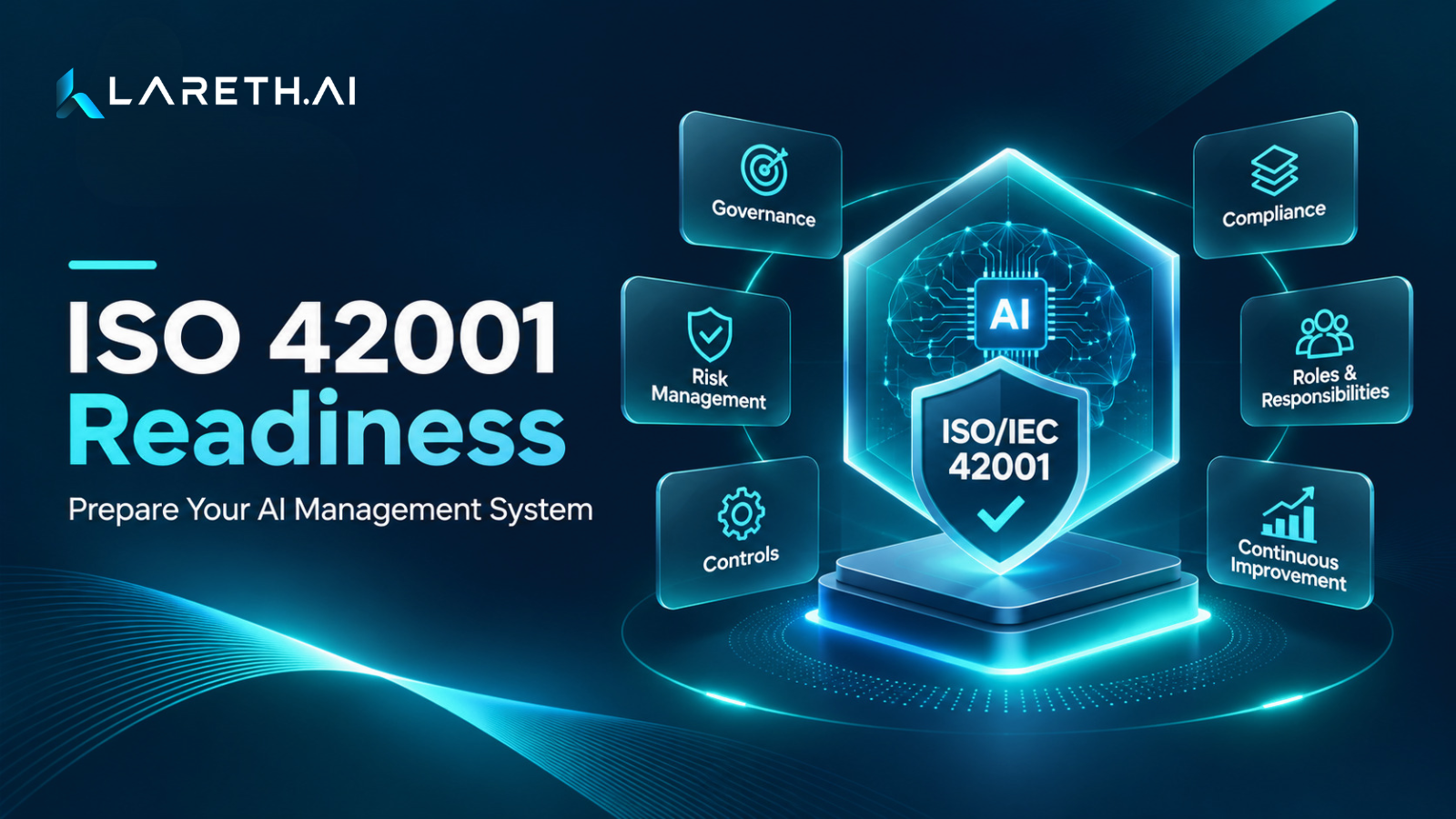
Q6. What is ISO/IEC 42001?
ISO/IEC 42001 is an international standard for AI management systems. It provides a structured approach to managing AI-related responsibilities, risks and continual improvement.
Q7. How can businesses protect confidential data when using AI?
Businesses should use approved AI tools, restrict access to sensitive information, review provider data-handling practices and establish clear employee guidelines.
Q8. What are the main AI cybersecurity risks?
Common risks include prompt injection, data leakage, unauthorised access, vulnerable integrations and misuse of AI agents. Appropriate controls depend on the system's design and capabilities.
Q9. How often should AI compliance be reviewed?
AI compliance should be reviewed periodically and whenever significant changes occur, such as new use cases, model updates, security incidents or regulatory developments.
Q10. How can a business improve its AI compliance readiness?
Start by identifying AI systems, mapping applicable requirements and assessing risks. Then implement appropriate controls, assign responsibilities and monitor their effectiveness.


Leave a comment
Your email will not be published. All comments are reviewed before appearing.